Fred Kariankei and the fight against conservation elite in Kenya
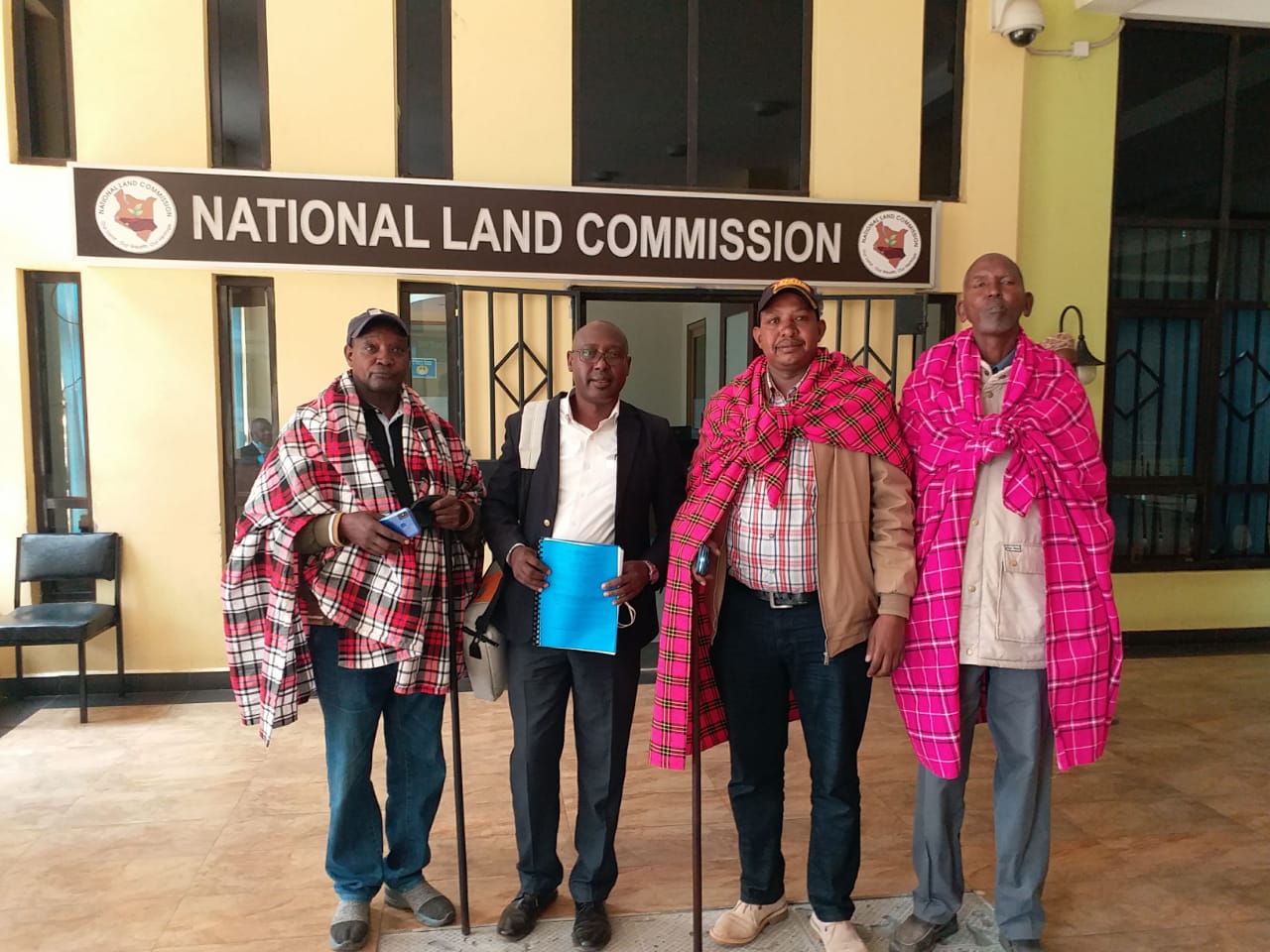
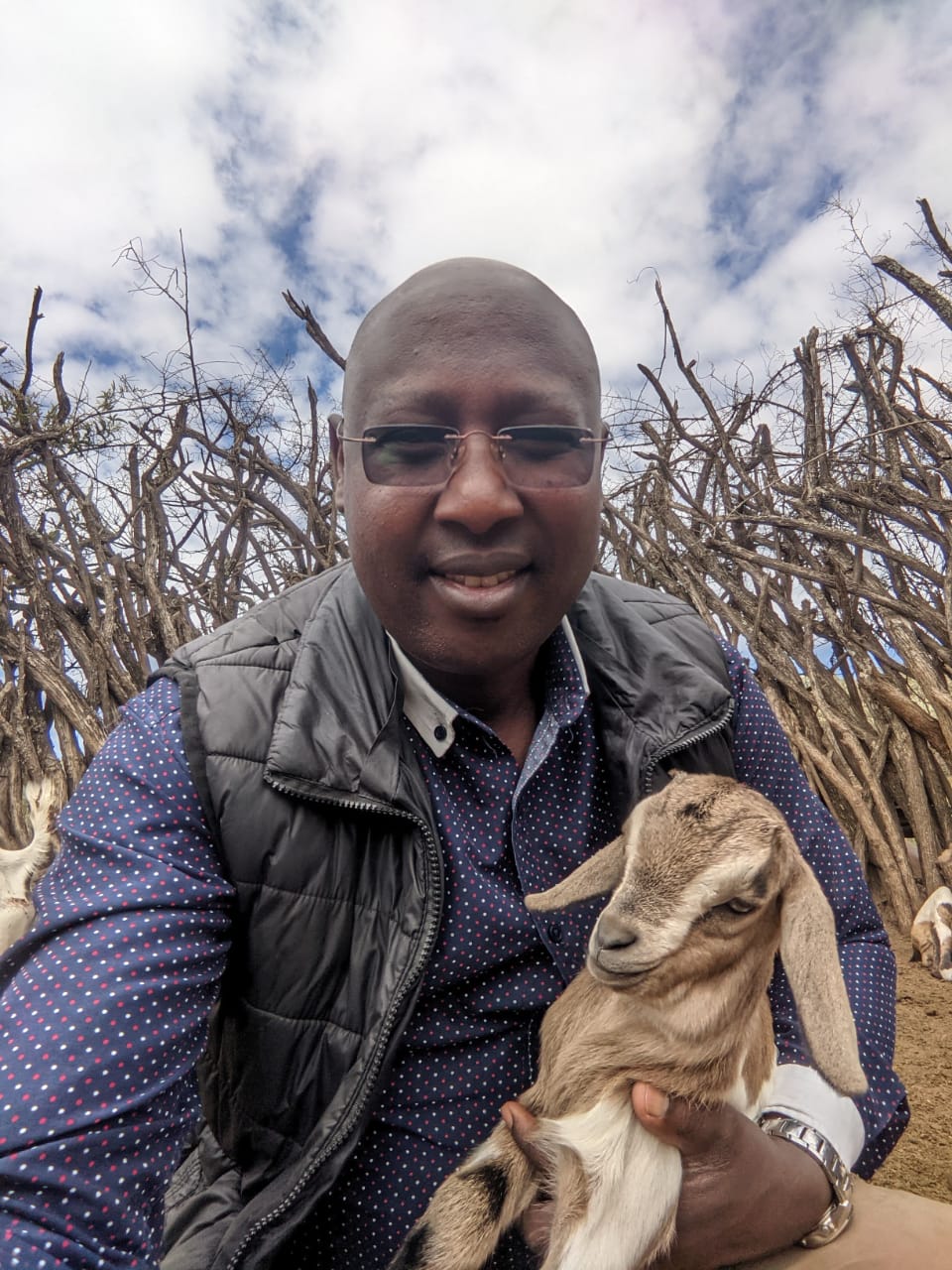
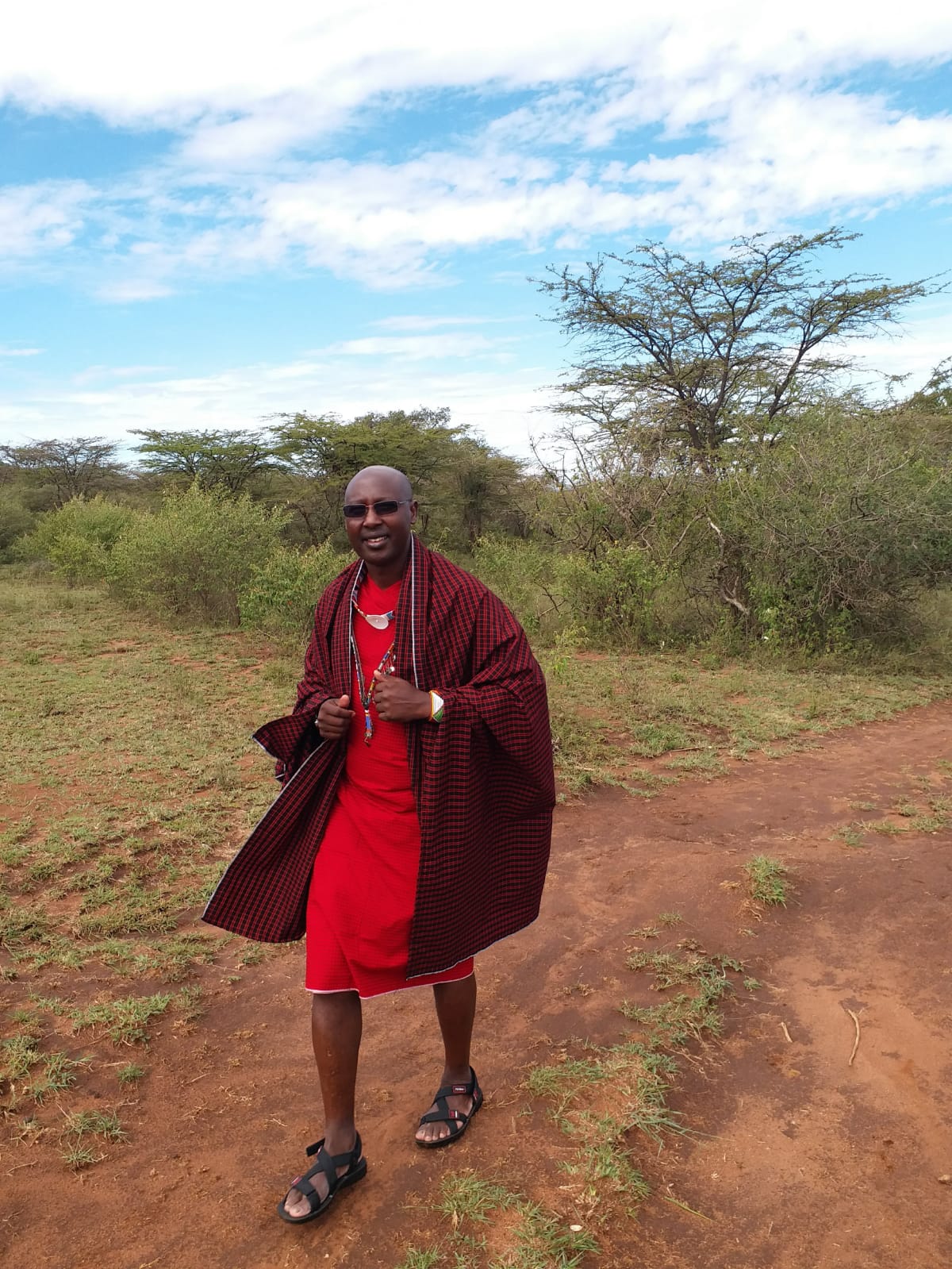
Fred Simiren Kariankei, an indigenous Maasai community land rights defender in the Southern parts of Kenya, never imagined that defending his community’s land would land him in prison. However, in 2021, when he denounced what appeared to be a systematic betrayal by Kenya’s conservation elite, the Maasai Mara Wildlife Conservancies Association (MMWCA), retaliation came swiftly. Today, his story and legal battle expose the structural violence in the ongoing struggle between Indigenous rights and institutional power.
It all began almost subtly. In 2018, a piece of land in Lemek Conservancy, once leased to the military, was due for renewal. But this time, it wasn’t just a renewal but a covert sale. The local community - Indigenous Maasai pastoralists and landowners, sought intervention from Kenya’s National Land Commission (NLC) and the Directorate of Criminal Investigations (DCI). They hoped for justice, but they later discovered these institutions were complicit in the land transfer. The deal was made in secret, at the District Commissioner’s office, without the knowledge or consent of the Indigenous peoples.
MMWCA, formed in 2013, coordinates dozens of private conservancies across Narok County to turn Maasai land into exclusive wildlife zones. Wildlife is a key objective of the government of Kenya, and conservation initiatives feed into this objective, and the protection of the Maasai Mara game reserve. While MMWCA’s narrative emphasizes community partnership and conservation, the reality on ground suggests that it is affects the rights of Indigenous Peoples to make their own decisions in land use and governance.
In 2020, a surge in human-wildlife conflict worsened the already fragile conditions in the Maasai Mara. The community turned to their representative body, the Maasai Mara Wildlife Conservancies Association (MMWCA), for support. But MMWCA remained silent. For many, this silence felt like betrayal, but Fred took initiative, securing funds to protect 4,000 acres of community land through his organization, the Mara Isinya Conservancy. But the downside was that MMWCA had to act as the financial intermediary, a condition he had no say in but accepted.
During one of MMWCA’s visits to the conservancy, in anticipation of extending their desire to support, the conditions of their support proved dubious, by attempting to impose a 25-year land lease on 300 Indigenous households and even bringing a lawyer to legitimize the deal when the community seemed hesitant. Instead, he warned the community against signing the deal: “25-year lease requires consent”. In retaliation, MMWCA made financial support conditional upon signing the agreement: “We don’t have time. We are not here to force people… if you want money, sign the agreement.” Many signed unknowingly and out of sheer desperation for money and the structural inequities in access to information and education.
Fred raised his concerns with MMWCA, and when he received no confirmation, nor indication of stopping the agreements, he reached out to their donors. But no one listened. In retaliation, MMWCA froze the funds for the Mara Isinya Conservancy’s 4000-acre initiative, effectively punishing Fred for speaking out.
Desperate, Fred turned to social media, where he accused MMWCA of corruption, coercion, and undermining land rights. His tweets revealed deeper issues, including alleged nepotism and gender-based exploitation within MMWCA’s leadership.
One of his tweets read;
Ticking time bomb! In Masai Mara with funding from MMWCA, conservancies have robbed over 15000 indigenous Maasai rights to their land and conferred it to scrupulous individuals (LOC) using power of attorney for 25 years. 150000 acres are no longer in landowners’ hands, unknowingly.
These tweets sparked outrage and attention, but consequences befell Fred, as he was arrested and held for two days at the Mulot Police Station, before being transferred to Narok Police Station. There, a magistrate granted a seven-day detention extension, on condition of his being “flight-risk”. He eventually was released on a 30,000 KES bond, and had to report to the police station weekly.
By late 2023, Fred’s actions resulted in two simultaneous prosecutions in the High Court of Kenya:
- Maasai Mara Wildlife Conservancies Association vs Fred Simiren Ole Kariankei
Civil Case Number: E002 of 2023, filed by MMWCA seeking declaratory relief that the 25-year leases are valid and enforceable
- Ole Sopia vs Fred Simiren Ole Kariankei
Civil Case Number: E003 of 2023 filed by Ole Sopia on the grounds of defamation
The cases lingered in the civil court for almost a year before being quietly dismissed.
Now, as the legal process resumes in May 2025, this criminalization has affected Fred’s ability to sufficiently cater to his family through employment, as he is blacklisted in conservation circles. The psychological trauma and threat of harm has impacted him and the family’s sense of security in their own home in Lemek. The resources in the conservancy meant to benefit the community is hampered, and the community lacks a voice, as the court is used to punish and frustrate the defenders, leaving them vulnerable.
For Fred, this is more than just a court/ civil case. It’s a moral battle for justice and dignity. He says: “Defending land rights is in me. I have always believed in fighting for what is right. Stopping is not an option.”
Fred’s story reveals an uncomfortable truth that conservation is no longer about wildlife, but about power, land, and survival. Conservation without consent is dispossession in disguise, and when the roar of a charging elephant no longer echoes across open plains but within the marble halls of justice, it becomes clear that the Indigenous Maasai will not relinquish their home without a fight.
IPRI's Legal Defense and Sanctuary Fund (LDSF) provided support to Fred Simiren to ensure adequate defense in court and cover other needs. This will allow him to continue his struggle for land rights and defend a model of conservation different from that imposed by the elite, which does not take into account the rights of indigenous peoples.